
Moving a radiopharmaceutical candidate from preclinical research to first-in-human studies is rarely a straight line. It requires the right data, the right timing and a clear understanding of what regulators, clinicians and development teams need before a clinical trial can begin. Between promising preclinical results and clinical readiness, the challenge is knowing which evidence truly matters and when it is needed.
How can you avoid missing data in your CTA that could cause delays?
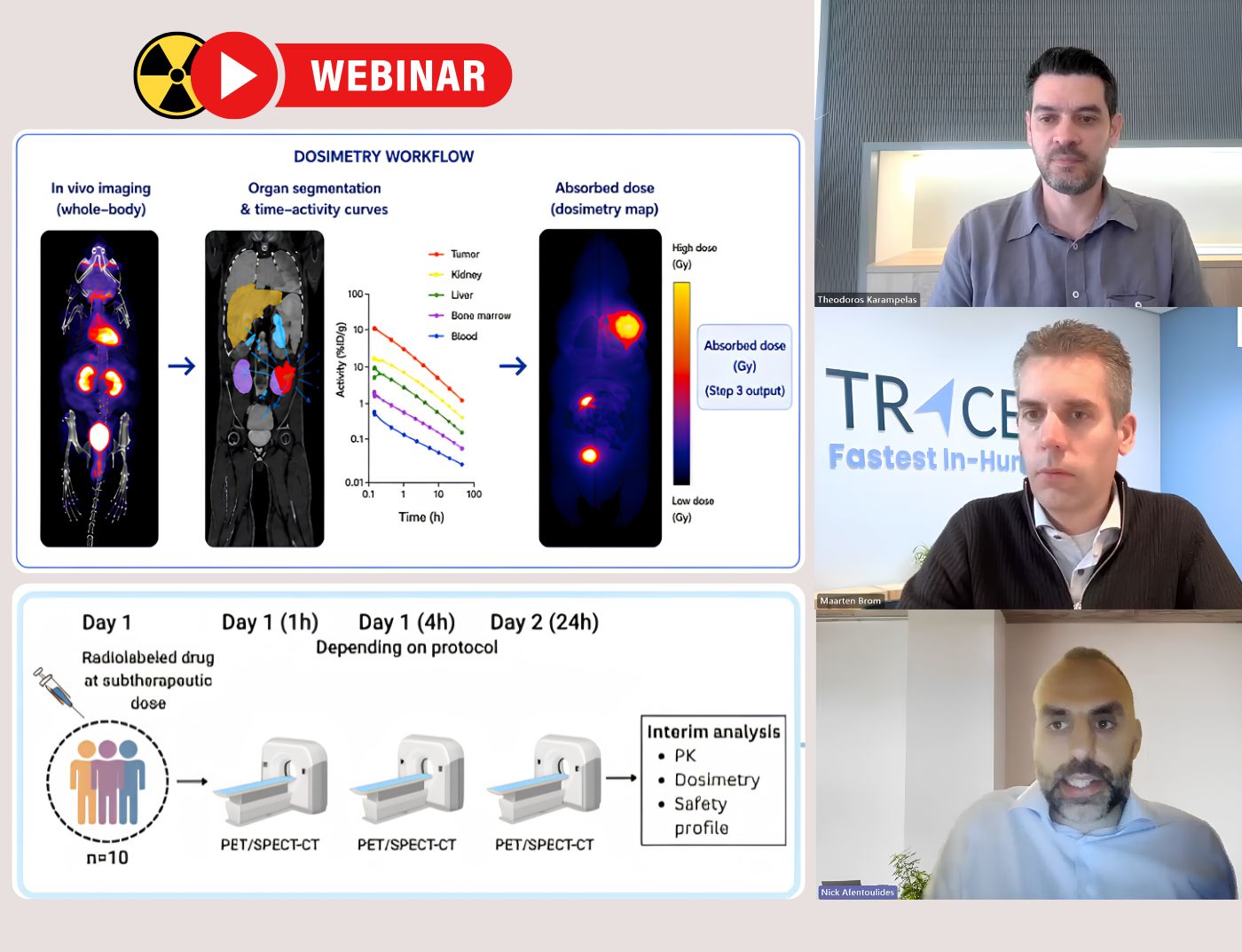
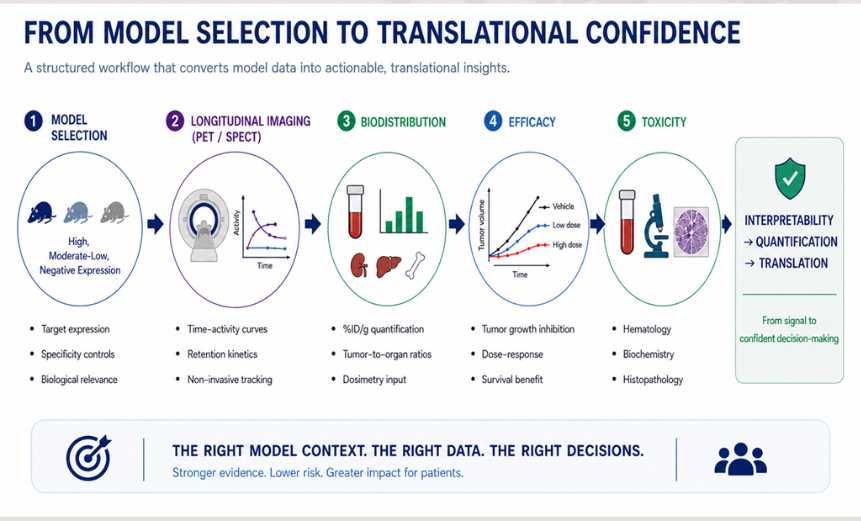
In our recent webinar, BIOEMTECH and TRACER joined forces to discuss this transition from two complementary perspectives: the preclinical evidence needed to support clinical translation and the clinical and regulatory strategy that follows. The recording offers a practical overview of how these two stages connect, helping teams identify what needs to be considered before moving a radiopharmaceutical candidate towards the clinic.
Speakers
Theodoros Karampelas, CSO at BIOEMTECH, biotechnologist with a PhD in Pharmacology and extensive experience in preclinical drug development.
Maarten Brom, VP Technology Assessment at TRACER, a seasoned scientist specialised in chemistry and nuclear imaging techniques.
| The session covered key questions such as: |
|
|
|
|
The online event was designed for researchers, biotech teams and drug developers working on radiopharmaceutical programs who want to better understand how to connect preclinical findings with clinical development requirements.
Watch the recording to learn how a well-planned translational strategy can help reduce uncertainty and support a smoother path towards clinical evaluation.
Want to watch the webinar recording?
Contact us and we will send you the link.